Industry Forum
Bridging Digital Twins, AI, and Next-Generation Connectivity
The factory floor is challenged by new software and communications technology, and we have to find a way to benefit most in industry. What once stood as a realm of rigid machinery and fixed processes is evolving into a dynamic ecosystem where digital intelligence meets physical operations. At ETFA 2026, the Industry Forum will explore this transformation through the lens of one pressing question: how do we bridge the gap between virtual representation and the physical shop floor?
This year’s featured theme—Digital Twins Integrating AI and LLMs with Next-Generation Connectivity—captures the convergence of three powerful trends reshaping industrial automation. Digital Twin technologies have moved beyond static visualization into interacting virtual entities of production systems. Artificial Intelligence and Large Language Models are unlocking new ways to orchestrate complex workflows and interact with machines in natural language. Next-generation connectivity, from 5G to emerging 6G standards, provides the backbone for truly autonomous and flexible production environments.
The forum brings together these threads in two days. At the first, the workshop day, we will have two session. “Next Generation of Factory Communication”, examines how wireless networks and softwarized infrastructure enable reconfigurable production lines and mobile robotics. The second session, “Softwarization of Industrial Systems,” looks further ahead at edge to cloud, modular architectures, and the road toward Industry 5.0—where human-robot collaboration and sustainability take center stage.
On the second conference day, a panel discussion will convene experts from industry to debate the opportunities and challenges ahead. Can softwarization truly serve on the shopfloor? How or even will LLMs change the way operators’ interface with industrial systems? What role does trustworthy communication and AI play when security and resilience are non-negotiable? These questions will frame an open exchange among practitioners, researchers, and technology providers.
Sessions
Day 1: Technical Deep Dives
Date: Tuesday, September 8
Session Chair: Henning Trsek, inIT - Institute industrial IT Ostwestfalen-Lippe University of Applied Sciences and Arts Lemgo, Germany
Session 1: Multi-Level Communication Architectures
Speakers:
Wolfgang Pointner, AGILOX
Situational Awareness: environmental and network context for adaptive systems; Semantic Communication: meaning-aware protocols beyond raw data; Communication Topology: mapping inter-entity relationships in networks.
Frank von Schoettler, SEW-EURODRIVE / KIT
Model Diversity: channel models across deployment scenarios; Anomaly Detection: real-time mechanisms for unusual pattern identification; Digital Twins & QoS: fidelity implications for mission-critical applications.
José Fontalvo-Hernández, RealTime-at-Work
Dynamic Network Requirements: determinism in reconfigurable networks; Fleet Control Management: guaranteed timing and reliability; QoS Targeting: performance parameters for deterministic systems.
Session 2: Digital Twins & IT/OT Convergence
Speakers:
Ann-Sofie Sjöblom, Swedish Institute for Standards (SIS), and Enxhi Ferko, Jotne Connect
ISO 23247 standard overview and reference architecture; companies, stakeholders, and the ISO platform ecosystem.
Florian Gramß, Siemens
ROS and similar systems in Digital Twins; implementation, software orchestration, and AI integration; performance requirements versus available capabilities.
Riikka Virkkunen, VTT Technical Research Centre of Finland
New computing paradigms for industry applications; what is envisioned, what is possible now, and what is not yet possible.
Day 2: Panel Discussion
Date: Wednesday, September 9
Session Chair: Hans-Peter Bernhard, Silicon Austria Labs & Johannes Kepler University Linz, Austria
Industry Forum Panel: Bridging Digital Twins, AI, and Next-Generation Connectivity
The opening keynote will be followed by the Industry Forum panel.
Confirmed panelists:
- Riikka Virkkunen, VTT | EFFRA European Factories Board Member
- Benedikt Geib, SEW-EURODRIVE / KIT | Secure OT software lifecycle and containerized virtual PLCs
- Soroush Rastegarpour, ABB | AI-integrated autonomous systems and model predictive control
- Ali Balador, Ericsson Research | Edge-cloud continuum and AI-enabled communications
- Marteen van Vittersum, Scania Group
Format:
- Pitch talks by the panelists
- Moderator questions and live audience Q&A
- Deep-dive discussion on key topics
Participants
The list of Industry Forum participants will be extended as further speakers are confirmed.
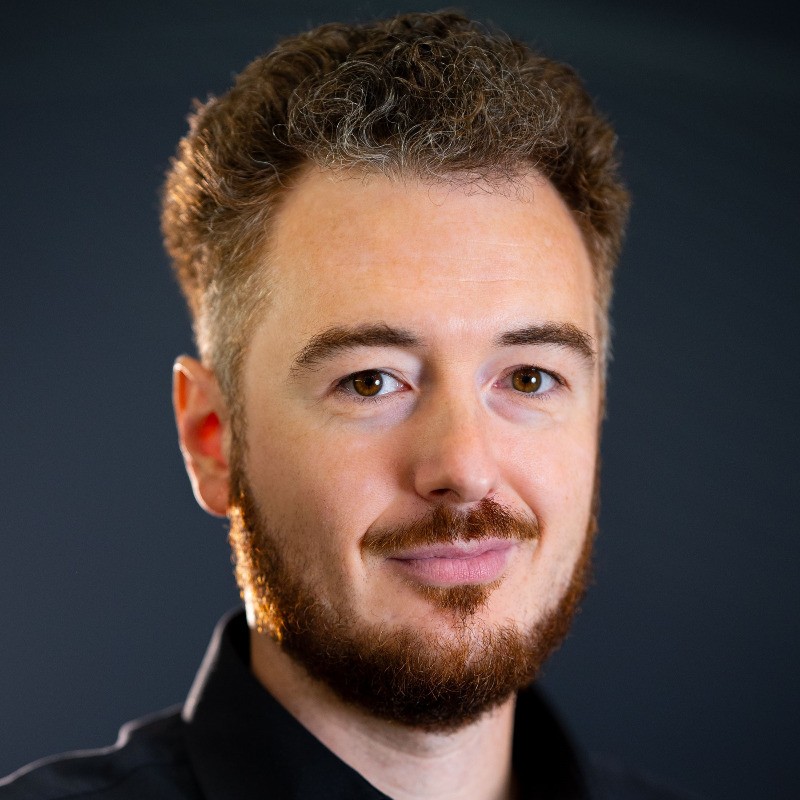
Wolfgang Pointner
Director of AI & Emerging Technologies, AGILOX
Wolfgang Pointner is Director of AI & Emerging Technologies at AGILOX, a leading Austrian manufacturer of autonomous mobile robots. He brings more than fifteen years of research and industry experience in autonomous systems and robotics, spanning cooperative research at the AIT Austrian Institute of Technology, a research stay at Stanford University, numerous peer reviewed publications, and several patents in vision based methods. His current focus spans autonomous robotic fleets, intralogistics orchestration and communication, and the use of AI in real-world applications.
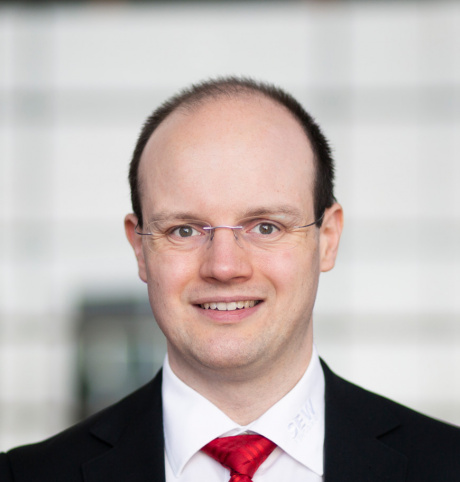
Benedikt Geib
Project Engineer, SEW-EURODRIVE; Doctoral Researcher, Karlsruhe Institute of Technology
Benedikt Geib is a Project Engineer at SEW-EURODRIVE and a doctoral researcher at KIT's Institute for Control Systems. Over the past 15 years, he has gained extensive experience in industrial automation, spanning embedded software, mechatronics, and control engineering. His research centers on secure software lifecycle management for industrial OT systems, with a strong focus on automating software update planning and deployment. Using digital twins, he develops methods to analyze dependencies, assess risks, and optimize update strategies for complex automation environments. Additional research areas include OT cybersecurity, certificate management, containerized virtual PLCs, and AI-assisted engineering based on Retrieval-Augmented Generation.
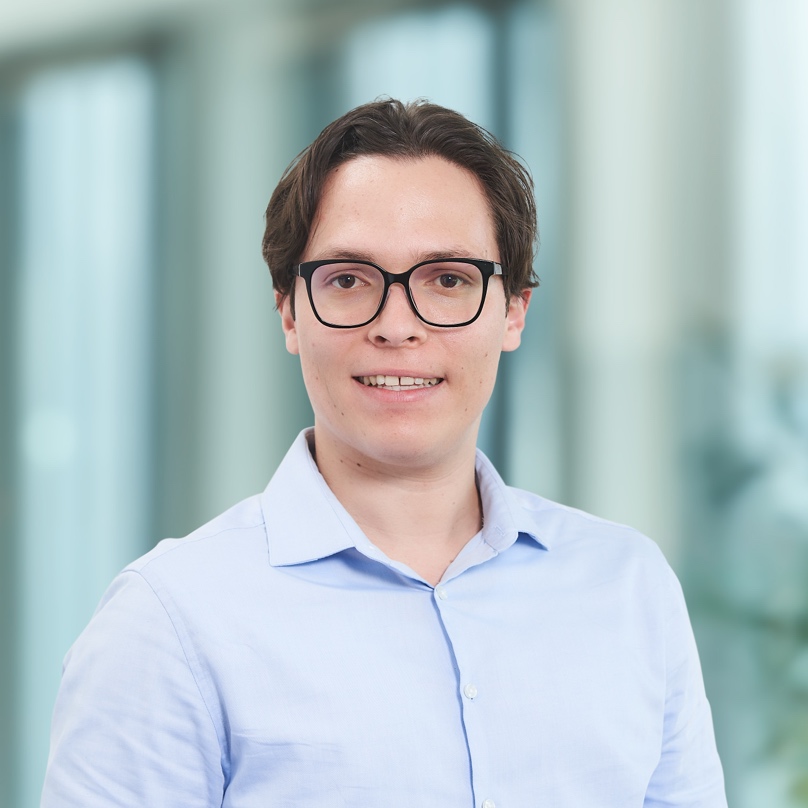
Frank von Schoettler
Doctoral Researcher, SEW-EURODRIVE
Frank von Schoettler received the M.Sc. degree in electrical engineering in 2023 at Karlsruhe Institute of Technology (KIT) and is currently pursuing his PhD at the company SEW-EURODRIVE GmbH & Co KG. His research interests are industrial communications, wireless channel characterization and modelling, and evaluation of ultra-reliable and low latency communication (URLLC) in wireless technologies.
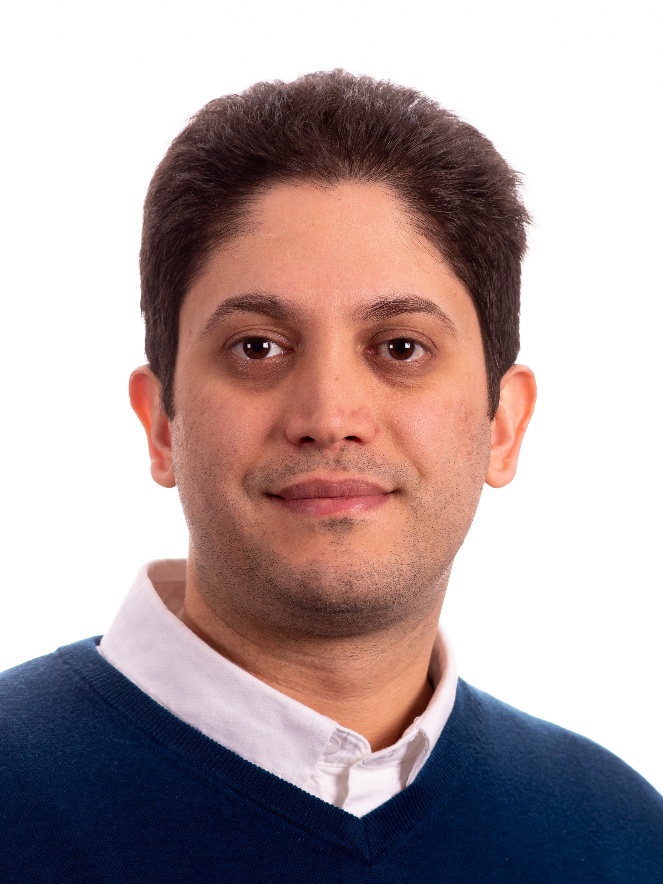
Soroush Rastegarpour
Principal Scientist, ABB Corporate Research Center, Västerås, Sweden
Soroush Rastegarpour Principal Scientist is Principal Scientist specializing in AI-integrated autonomous systems, model predictive control, and reinforcement learning. PhD in Systems and Control Engineering from Politecnico di Milano with postdoctoral experience across leading European technical universities. Combines academic expertise with more than 4 years of industrial experience in process control optimization.
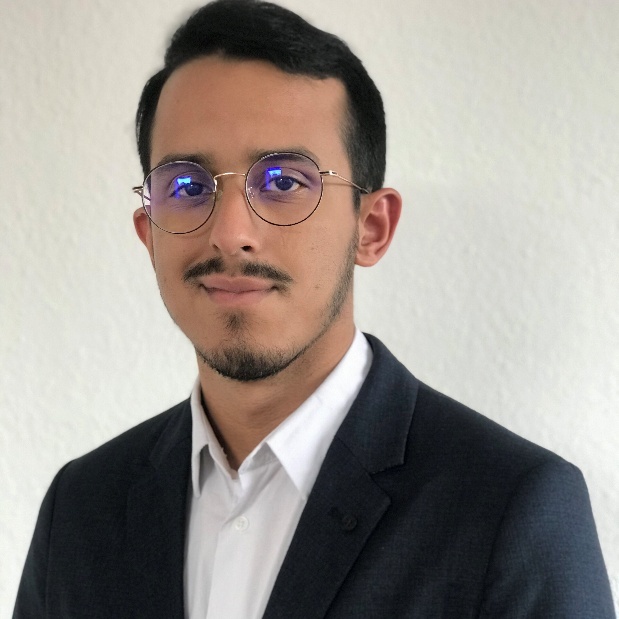
José Fontalvo-Hernández
Industry Solutions Lead, RealTime-at-Work; Doctoral Candidate, Chemnitz University of Technology
José Fontalvo-Hernández is Industry Solutions Lead at RealTime-at-Work and a doctoral candidate at Chemnitz University of Technology. He develops industrial communication strategies and architectures that enable AI-driven and digital factories while meeting stringent requirements for predictable performance and high availability. His doctoral work builds on research conducted during his previous role at Siemens AG, focusing on the planning and techno-economic analysis of integrated 5G, TSN and DetNet networks for industrial applications. He has also contributed to pre-standardization activities within IEEE, 3GPP and 5G-ACIA. He is an active IEEE member.
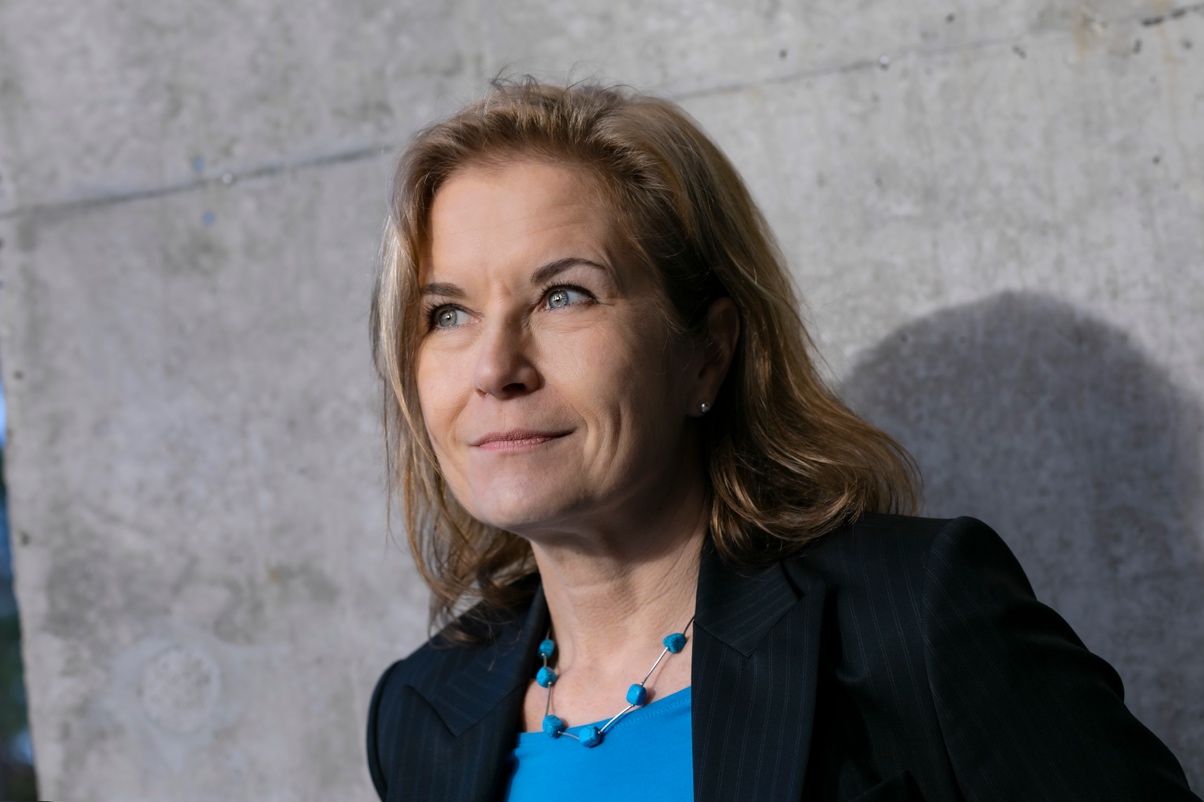
Riikka Virkkunen
Professor of Practice, VTT Technical Research Centre of Finland
Dr. Riikka Virkkunen is Professor of Practice at VTT Finland, co-chair of Made In Europe PPP, and board member for EFFRA (European Factories of the Future Research association). She advises several innovation initiatives (like MARC, TSS, and BRTA – the Basque Research and Technology Alliance) and holds an honorary doctorate from Mälardalen University. In Finland, she has contributed to the Finnish AI 4.0 program, led the Finnish Industrial Internet Forum, and now heads VTT’s research on accelerated biosynthetic materials design using AI. She also coordinates VTT’s activities in hybrid computing combining AI, HPC and quantum computing. Previously, she managed VTT’s Industrial Renewal strategy and Systems Engineering research, supervising over 120 researchers. Virkkunen holds a PhD in computational materials physics.

Florian Gramß
Innovation Manager, Siemens
Florian Gramß is Celebrating 11 years at Siemens, I’ve grown from an apprentice electrician into an Innovation Manager driving the convergence of open-source technologies and industrial automation. Leading a cross-national team across Germany and Spain, I focus on turning emerging ideas into real, scalable value for industry.
Florian Gramß is responsible for Siemens’ ROS-focused StartIn, the “SIMATIC Connector for ROS,” and continue advancing our open-source efforts following the successful completion of the aerOS project. We are now fully engaged in the hands-on EU project AMALTEA, focusing on flexible production and expanding the ecosystem of open-source tools that bridge ROS and industrial automation.
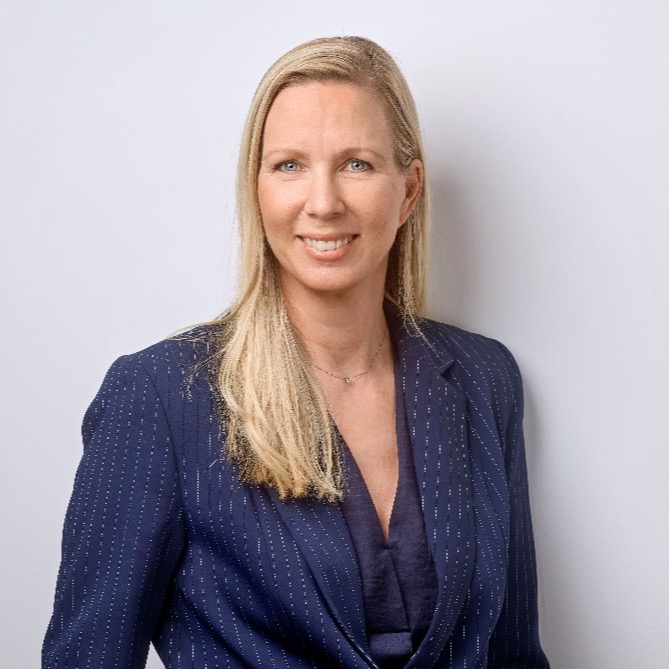
Ann-Sofie Sjöblom
Project Leader Standardization, Swedish Institute for Standards (SIS)
Ann-Sofie Sjöblom is Project Leader for Standardization at the Swedish Institute for Standards (SIS), where she advances Swedish participation in international ISO standardization across industrial digitalization, robotics, and additive manufacturing.
She leads standardization groups that bring together Swedish stakeholders from industry, academia, research organizations, and public authorities. Together, they shape global strategies and empower a sustainable and innovative industry through internationally recognized standards.
In the field of machine safety, she represents SIS in a European strategic standardization group that brings together the European Commission and European experts to support the implementation and development of machinery safety standards.
She regularly represents SIS in industry-driven innovation projects promoting the adoption of standards and strengthening the link between research, innovation, and standardization.
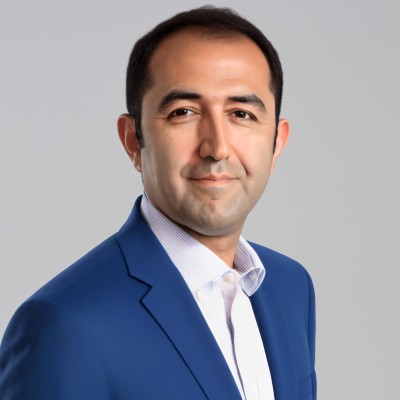
Ali Balador
Senior Researcher and Project Manager, Ericsson Research
Ali Balador is a Senior Researcher and Project Manager at Ericsson Research, Sweden. His work focuses on next-generation networked systems, spanning edge and cloud computing, distributed systems, network exposure, and AI-enabled communications.
Prior to joining Ericsson in 2022, Ali spent more than a decade in research and innovation, including five years as an Assistant Professor and Researcher at Mälardalen University. He received his PhD in Computer Science from the Polytechnic University of Valencia, where his research focused on wireless communications for vehicular environments.
Throughout his career, Ali has led and coordinated numerous industrial and collaborative R&D initiatives across the automotive, manufacturing, railway, and healthcare sectors. His expertise lies in bridging communications, computing, and industrial automation to enable scalable, intelligent, and resilient digital systems. He is particularly interested in edge-cloud continuums, exposure technologies, distributed AI systems, and trustworthy digital infrastructures for future industrial environments.

Enxhi Ferko
Digital Twin Specialist, Jotne Connect
Enxhi Ferko is a Digital Twin Specialist at Jotne Connect, where she works across customer, internal, and R&D projects, advising on Digital Twin technologies from both strategic and technical perspectives. She contributes to product development, supports pre-sales activities, and collaborates with industrial partners. She holds a PhD from Mälardalen University, where her research focused on interoperability in Digital Twin systems through model-driven engineering and standardization. Her interests span Digital Twins, open standards, data interoperability, model-based approaches, and AI in industrial digitalization. Enxhi has served as an expert member of the Swedish Institute for Standards (SIS/TK 280) and is currently involved in PDES, Inc. (Product Data Exchange using STEP) and the CAx Interoperability Forum (CAx-IF) on behalf of Jotne Connect.
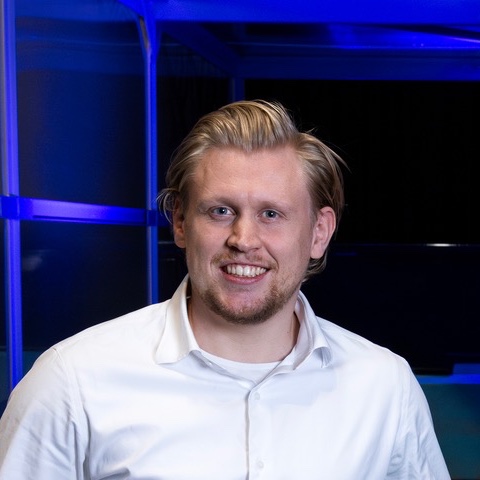
Maarten van Ittersum
Solution Architect, Scania's Smart Factory Lab
Maarten van Ittersum is a Solution Architect at Scania's Smart Factory Lab, an innovation unit in Södertälje focused on automation and digitalisation for production and logistics. His work sits at the intersection of IT/OT integration, AI agents and industrial knowledge systems, with a focus on concept development and architecture rather than day-to-day software delivery. At the lab he leads work on a declarative, model-driven approach to describing and operating the factory, exploring how AI agents can reason and act on a living digital representation of production systems. He also contributes to wider Scania IT initiatives on AI agents, data platforms and internal tooling. His technical background spans various programming languages, industrial data, industrial protocols such as MQTT and OPC UA, and technologies as Kubernetes. Originally from the Netherlands, he has been based in Sweden for nearly four years after obtaining his Master's in Computer Science at the University of Groningen.